
Currently Empty: €0.00
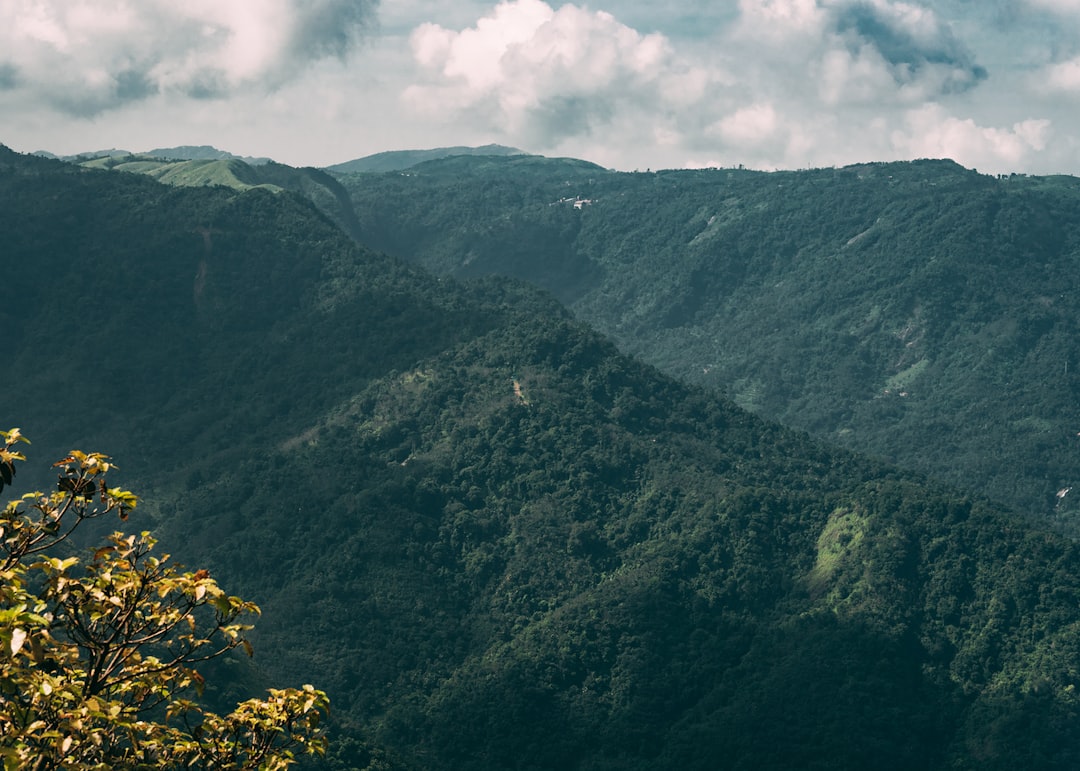
In recent years, the outdoor and travel industry has witnessed a significant transformation, driven by changing consumer preferences and a heightened awareness of environmental sustainability. As more individuals seek to reconnect with nature, the market has adapted to meet these evolving demands. This article delves into the current trends in outdoor travel, highlighting budget-friendly options, eco-friendly practices, and the rise of DIY adventures.
The outdoor travel market has seen a remarkable surge, with a report from the Outdoor Industry Association indicating that outdoor recreation contributed $887 billion to the U.S. economy in 2021. This figure underscores the growing importance of outdoor activities not just for personal enjoyment but also as a vital economic driver. Key Insight: As the outdoor recreation sector continues to expand, businesses that prioritize sustainability and affordability are likely to capture a larger share of this lucrative market.
One of the most notable trends in outdoor travel is the increasing popularity of budget-friendly options. With the cost of living rising, many travelers are looking for ways to enjoy nature without breaking the bank. Campgrounds, national parks, and hiking trails offer accessible experiences that can be enjoyed for little to no cost. For instance, a recent survey revealed that 62% of outdoor enthusiasts prefer camping as their primary form of accommodation, citing its affordability and the immersive experience it provides.
Moreover, the rise of technology has made it easier than ever for travelers to plan their outdoor adventures on a budget. Apps and websites dedicated to finding free or low-cost camping sites, hiking trails, and outdoor activities have gained traction. These platforms not only help users save money but also encourage exploration of lesser-known destinations, thereby reducing overcrowding in popular tourist spots.
In addition to budget considerations, eco-friendly travel practices are becoming increasingly important to consumers. A study conducted by Booking.com found that 83% of global travelers believe that sustainable travel is vital, and 61% are more likely to choose a destination based on its environmental policies. This shift in consumer behavior is prompting travel companies to adopt greener practices, such as offering carbon offset programs, promoting eco-friendly accommodations, and supporting local conservation efforts.
For the environmentally conscious traveler, DIY adventures are gaining popularity as a way to minimize their carbon footprint while maximizing their connection to nature. DIY trips allow individuals to customize their experiences, whether it’s planning a multi-day backpacking trip or organizing a weekend getaway to a nearby national park. This trend not only fosters creativity but also encourages travelers to engage more deeply with their surroundings.
The rise of social media has also played a significant role in shaping outdoor travel trends. Platforms like Instagram and TikTok have made it easier for travelers to share their experiences and inspire others to explore the great outdoors. The hashtag #vanlife has garnered millions of posts, showcasing the allure of road-tripping and living simply while embracing nature. This phenomenon has led to an increase in demand for camper vans and RV rentals, with the RV rental market projected to reach $1.5 billion by 2025.
As we look to the future, the outdoor travel industry is poised for continued growth, driven by a combination of budget-friendly options, eco-conscious practices, and the desire for unique, personalized experiences. Travelers are increasingly seeking ways to enjoy the outdoors while being mindful of their impact on the environment, leading to a more sustainable approach to adventure.
In conclusion, the outdoor and travel landscape is evolving rapidly, and those who adapt to these changes will thrive. By focusing on affordability, sustainability, and the DIY spirit, travelers can enjoy enriching experiences that not only benefit them but also contribute positively to the environment and local communities. As we embrace this new era of outdoor exploration, the possibilities for adventure are endless.