
Currently Empty: €0.00
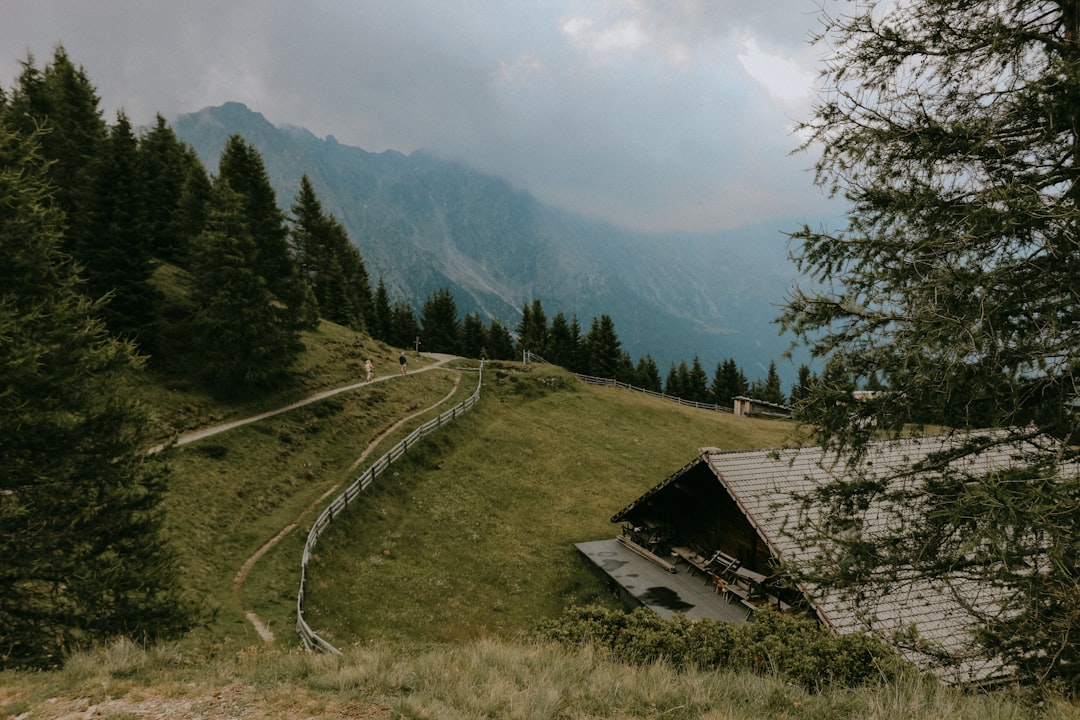
In recent years, the outdoor and travel industry has seen a significant shift in consumer behavior, driven by a growing awareness of sustainability and budget constraints. According to a report by the Adventure Travel Trade Association, the adventure travel market is projected to reach $1,626 billion by 2026, with a notable increase in eco-friendly travel options. This article delves into the latest trends in outdoor travel, focusing on budget-friendly and eco-conscious choices that cater to the modern traveler.
The rise of eco-tourism is not just a trend; it’s a movement. Travelers are increasingly seeking experiences that minimize their environmental impact while maximizing their connection to nature. A survey conducted by Booking.com revealed that 72% of global travelers are more likely to choose a destination based on its environmental sustainability. This statistic underscores the importance of eco-friendly practices in the travel industry, as consumers prioritize destinations that align with their values.
Budget-friendly travel has also gained traction, especially in the wake of economic uncertainties. With inflation affecting travel costs, many individuals are looking for ways to explore the outdoors without breaking the bank. The good news is that outdoor adventures can be both affordable and enriching. Camping, hiking, and biking are just a few activities that allow travelers to immerse themselves in nature while keeping expenses low. For instance, a family camping trip can cost as little as $100 for a weekend, compared to a hotel stay that could easily exceed $500.
Key Insight: The increasing preference for budget-friendly and eco-conscious travel options indicates a significant shift in consumer priorities, suggesting that businesses in the travel sector must adapt to these changing demands to remain competitive.
One of the most effective ways to travel on a budget is to embrace the DIY approach. Planning your own trips, from choosing destinations to organizing accommodations, can lead to substantial savings. Websites like Hipcamp and Airbnb offer unique lodging options that are often more affordable than traditional hotels. Additionally, many national parks and outdoor recreation areas offer free or low-cost entry, making them ideal for budget-conscious travelers.
Moreover, the trend of ‘staycations’ has gained momentum, with travelers opting to explore local parks and natural attractions rather than traveling long distances. This not only saves money but also reduces carbon footprints associated with travel. According to a study by the American Society of Travel Advisors, 57% of travelers are considering local destinations for their next trip, highlighting a shift towards appreciating nearby natural wonders.
As the outdoor travel landscape evolves, technology plays a crucial role in enhancing the experience. Mobile apps for navigation, campsite reservations, and outdoor activity planning have made it easier than ever for travelers to explore the great outdoors. For example, apps like AllTrails provide detailed information on hiking trails, including user-generated reviews and photos, helping travelers make informed decisions about their adventures.
In addition to technology, community engagement is becoming increasingly important in outdoor travel. Many travelers are seeking experiences that allow them to connect with local cultures and communities. Participating in volunteer programs or community-led tours not only enriches the travel experience but also supports local economies and conservation efforts. This trend aligns with the growing desire for authentic experiences that go beyond traditional tourism.
As we look to the future of outdoor travel, it’s clear that the industry must adapt to the changing preferences of consumers. Emphasizing sustainability, affordability, and community engagement will be key to attracting the modern traveler. By prioritizing these values, businesses can not only thrive in a competitive market but also contribute to the preservation of the natural environments that draw travelers to the great outdoors.
In conclusion, the outdoor and travel industry is at a crossroads, with budget-friendly and eco-conscious travel options leading the way. As consumers become more discerning in their travel choices, embracing these trends will be essential for both travelers and businesses alike. Whether it’s through DIY planning, supporting local communities, or choosing sustainable options, the future of outdoor travel is bright, promising enriching experiences that respect our planet.