
Currently Empty: €0.00
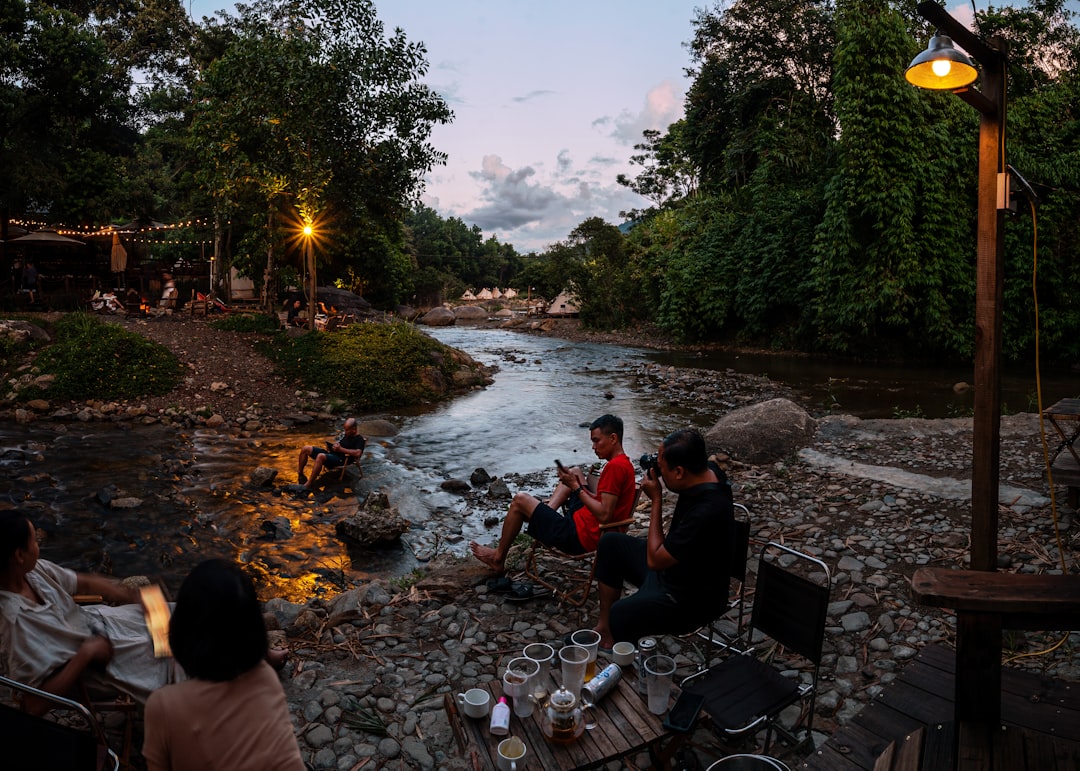
Traveling outdoors can be one of the most exhilarating experiences, offering a chance to connect with nature, explore new landscapes, and create lasting memories. However, many people shy away from outdoor adventures due to perceived costs or complexity. The truth is, with a little planning and creativity, you can embark on incredible journeys without breaking the bank. This guide will provide you with practical steps to make your outdoor travel dreams a reality, focusing on budget-friendly tips, eco-conscious choices, and DIY strategies.
**Understanding Your Destination**
Before you set off on your outdoor adventure, it’s crucial to research your destination. Look for national parks, state parks, or local nature reserves that offer free or low-cost entry. Websites like the National Park Service provide information on parks across the country, including any seasonal discounts or free admission days. Additionally, consider visiting during the off-peak season to avoid crowds and save on accommodation costs.
**Budget-Friendly Accommodation**
When it comes to outdoor travel, accommodation can often be a significant expense. Instead of booking expensive hotels, consider alternative options such as camping, hostels, or even staying with friends or family. Many national parks have campgrounds that offer affordable rates, and some even allow you to camp for free in designated areas. If camping isn’t your style, look for hostels or budget hotels in nearby towns. Websites like Airbnb can also provide unique lodging options at a fraction of the cost of traditional hotels.
**DIY Travel Gear**
Investing in high-quality outdoor gear can be daunting, but you don’t have to spend a fortune. Consider DIY solutions for some of your travel needs. For example, you can create your own camping stove using a few simple materials or make a portable water filter using a plastic bottle and charcoal. There are countless tutorials online that can guide you through the process of making your own gear, which can save you money and give you a sense of accomplishment.
**Eco-Friendly Practices**
As you embark on your outdoor adventures, it’s essential to consider your environmental impact. Opt for eco-friendly travel practices, such as using reusable water bottles, packing out all your trash, and choosing sustainable transportation options. If you’re traveling to a remote area, consider carpooling with friends or using public transportation to reduce your carbon footprint. Additionally, support local businesses by purchasing food and supplies from local farmers’ markets or shops.
**Planning Your Activities**
Outdoor travel is all about exploration and adventure. Plan a mix of activities that suit your interests and budget. Hiking, biking, and kayaking are often low-cost or free activities that allow you to experience the beauty of nature. Look for free guided tours or ranger-led programs in national parks that can enhance your experience without additional costs. If you’re feeling adventurous, consider trying out new activities like rock climbing or paddleboarding, which can often be rented at reasonable prices.
**Step-by-step plan:**
Step 1: Research your destination for budget-friendly options and seasonal discounts.
Step 2: Choose affordable accommodation like camping or hostels.
Step 3: Create your own travel gear to save money and personalize your experience.
Step 4: Adopt eco-friendly practices to minimize your environmental impact.
**Final Thoughts**
Outdoor travel doesn’t have to be an expensive endeavor. By planning ahead, embracing DIY solutions, and making eco-conscious choices, you can enjoy the great outdoors without straining your wallet. Remember, the essence of outdoor travel lies in the experiences you create and the connections you make with nature and fellow travelers. So pack your bags, grab your gear, and set out on an adventure that’s not only budget-friendly but also enriching for your soul.